
Exploring Jueteng's impact and its digital transformation.
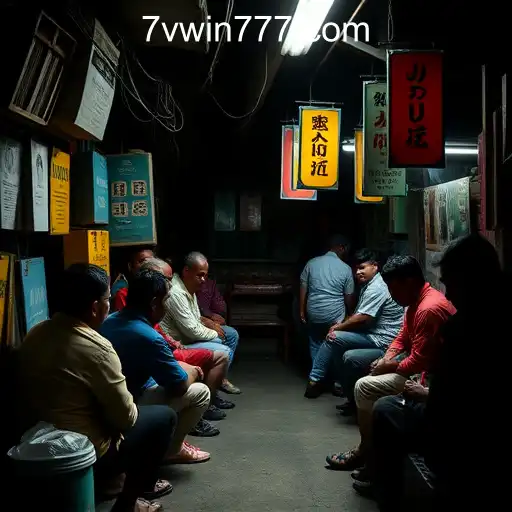
The Complex World of Jueteng and Its Online Counterparts
Jueteng, a widely popular illicit numbers game in the Philippines, has been an enduring cultural phenomenon despite numerous crackdowns. It is a game deeply rooted in Filipino society, weaving through its social and economic fabric. More than a mere gambling activity, Jueteng represents a complicated web of tradition, economy, and culture.
Understanding Jueteng: A Cultural Staple
To understand Jueteng, one must delve into its historical context. Originating during the Spanish colonial period, Jueteng was initially a leisure activity but gradually evolved into an underground betting system. The game's format is relatively simple—players choose a combination of numbers in hopes of matching them with the drawn numbers. Its simplicity and low entry cost have made it accessible and appealing to many Filipinos.
Despite its illegal status, Jueteng has managed to thrive due to a variety of factors. It provides a source of income for low-wage workers and those in urban poor communities, where gambling can seem like the quickest path to financial relief. The structure of Jueteng includes a network of bet collectors (known as "kubradores") and financiers ("cabo"), who work together to ensure the game's continuous operation.
The Influence on Society and Politics
The influence of Jueteng extends beyond the realm of gambling. It has significant implications for both local and national politics in the Philippines. Politicians have been accused of using Jueteng networks for vote-buying and as a source of extra funding for campaigns. This politically charged environment creates a complex dynamic where Jueteng is often brushed under the rug, complicating efforts to eradicate it.
Efforts to address Jueteng often oscillate between eradication and regulation. Over the years, attempts to legalize the game have surfaced, aiming to channel its profits for public use. However, these attempts are frequently met with resistance due to concerns over promoting gambling and undermining moral standards.
The Emergence of Digital Gambling
Conflicts surrounding Jueteng's legality have not halted the rise of gambling in the digital era. Enter 7V WIN jogar slot online Brasil, capturing the allure of traditional games like Jueteng but in the digital sphere. Online gambling platforms offer Filipinos an alternative channel for participating in such activities, making games easily accessible through electronic devices.
The transition to online platforms is propelled by several factors, including the widespread availability of the internet and mobile devices, which opens new avenues for gaming enthusiasts. While online gambling companies are legally required to operate under strict regulations, the plethora of available platforms offers ample opportunities for individuals to engage in various forms of betting.
Impact on Traditional Gambling Practices
The proliferation of digital gambling raises questions about the impact on traditional practices like Jueteng. With the convenience of gaming from home, online gambling provides an attractive alternative to physically placing bets through Jueteng networks. However, traditional games still appeal to many due to cultural familiarity and the human interaction aspect that online platforms cannot replicate.
Despite the competition, digital gambling and traditional forms like Jueteng coexist, with each having unique advantages and challenges. In areas where internet connectivity is sparse or people hold strong ties to community networks, the allure of Jueteng persists. Conversely, urban areas with robust internet infrastructure might see a drift toward digital options.
Risks and Regulation Challenges
The transition from physical to digital gambling introduces new risks. Online platforms can be susceptible to manipulation, fraud, and privacy violations. The anonymity that digital platforms offer can also lead to increased gambling addiction, as individuals might find it harder to control their habits in isolation without tangible accountabilities.
Regulating online gambling presents unique challenges for authorities, as they must adapt to constantly evolving technological landscapes. Ensuring fair play, safeguarding personal information, and providing support systems for problem gamblers all require innovative strategies and international cooperation.
Future Directions
The future of gambling in the Philippines and beyond is likely to involve an interplay of tradition, technology, and regulation. As traditional games like Jueteng continue to hold cultural significance, their existence alongside online gambling platforms presents both opportunities and obstacles.
Efforts to integrate digital technologies must be balanced with safeguarding public interest. Legal frameworks need to evolve to address both traditional and emerging forms of gambling, ensuring they foster economic benefits while protecting vulnerable populations. In doing so, a fair and regulated gambling environment might eventually emerge, respecting traditions while embracing technological advances.